
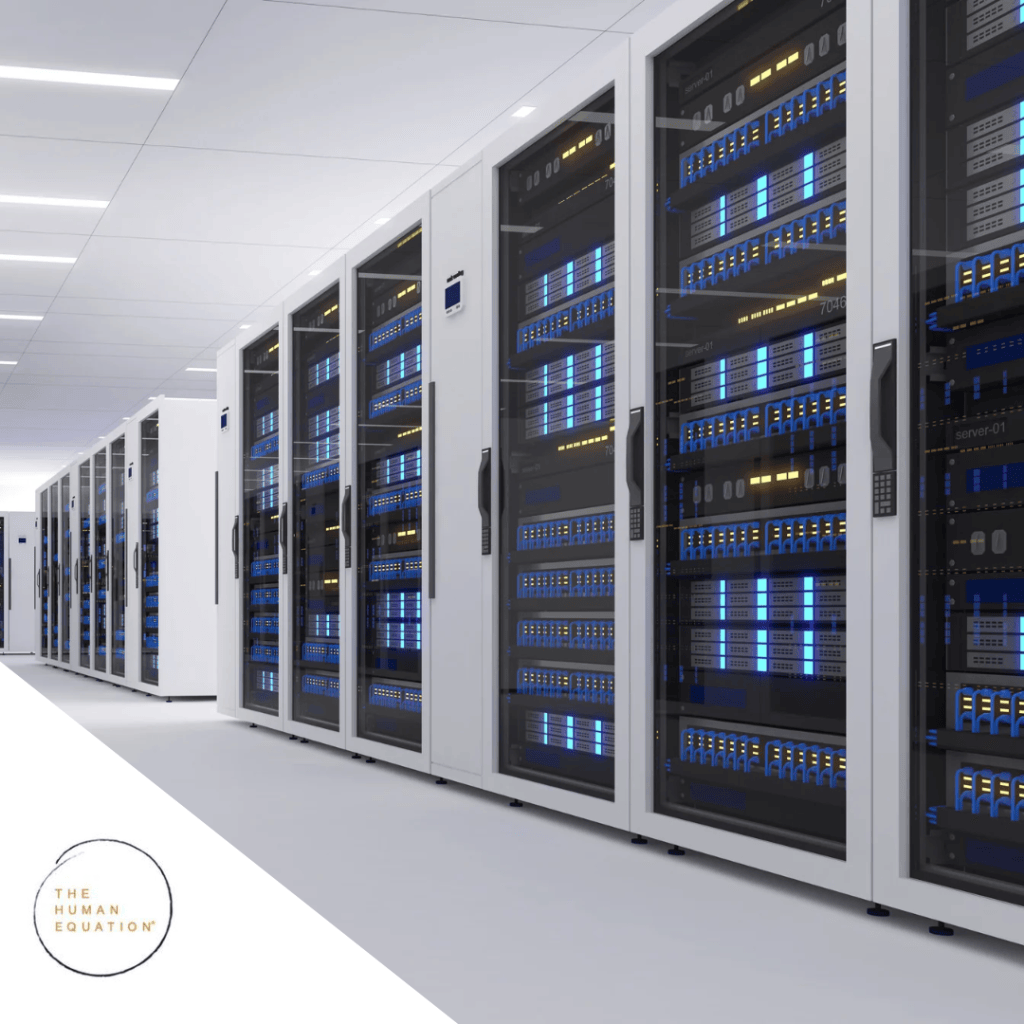
The rapid growth of artificial intelligence, cloud computing, streaming, and digital services is fueling a major expansion of data centers, the physical facilities that house the servers and infrastructure needed to store, process, and transmit enormous amounts of data. South Florida is becoming part of that expansion, with new facilities underway in Miami-Dade and proposals for much larger developments elsewhere in the region. While data centers can look like ordinary warehouses from the outside, their operational footprint can be dramatically different. Large facilities require substantial and highly reliable supplies of electricity, telecommunications capacity, land, and, depending on their cooling systems, water. Florida policymakers have already responded to these concerns: legislation that took effect in July 2026 requires large-load customers to bear their full cost of electric service and establishes additional requirements around water use and local land-use oversight.
For local businesses, the risk is not necessarily the data center itself, but the pressure rapid development can place on the infrastructure and resources businesses depend on every day. A large concentration of new demand can create concerns surrounding electrical capacity, water availability, land use, construction activity, emergency services, and the availability and cost of industrial real estate. Florida’s next generation of data centers could require substantially more power than today’s facilities, making infrastructure planning increasingly important. Businesses should therefore treat the data center boom as an emerging operational risk and evaluate their exposure. That means reviewing business continuity and disaster recovery plans, identifying critical dependencies on electricity and telecommunications, evaluating backup power and redundant internet connectivity, reviewing utility and lease arrangements, and considering whether future infrastructure constraints could affect planned expansions or new locations.
Preparation should begin with understanding where the business is vulnerable. Companies with operations that cannot tolerate extended power or connectivity interruptions should quantify the financial impact of downtime and determine whether existing generators, battery systems, fuel arrangements, cloud backups, alternate work locations, and telecommunications redundancies are adequate. Businesses planning to purchase, lease, develop, or expand facilities should also incorporate utility capacity and nearby infrastructure development into their site-selection due diligence rather than evaluating a property solely on rent, taxes, transportation, and labor availability. Risk assessments should be revisited as new data center projects are proposed nearby. The objective is not to avoid development, but to identify potential concentrations and dependencies early enough that management has options rather than being forced to react after conditions change.
The boom also creates opportunity. Data centers require an extensive ecosystem of contractors and service providers including construction, electrical and mechanical contractors, HVAC specialists, security companies, engineering firms, equipment suppliers, maintenance providers, transportation companies, technology vendors, professional services firms, and emergency-response contractors. Local businesses should determine whether their existing capabilities can be adapted to serve this growing market, either directly or as subcontractors to larger providers. At the same time, improved digital infrastructure and increased technology investment can make South Florida more attractive to AI, technology, financial services, healthcare, and other data-intensive industries. The businesses positioned to benefit most will be those that view the data center boom from both sides of the risk equation: protecting themselves from new operational dependencies while identifying where those same changes create new customers, services, partnerships, and sources of revenue.


Leave a Reply